
Step back in time, immerse yourself in unique culture, and witness breathtaking natural beauty – all in Central Vietnam, the heartland of Vietnam’s rich heritage! Join VietnamDMCgroup.vn on a vibrant journey through three iconic destinations: Da Nang, Hoi An, and Hue, and uncover the treasures of Central Vietnam Heritage.
Da Nang – The Dynamic Coastal City of Central Vietnam Heritage
My Khe Beach: Crowned the “shining pearl” of Da Nang, My Khe Beach is more than just a beautiful stretch of sand; it’s a unique symbol of the city. Recognized by Forbes Magazine as one of the world’s most stunning beaches, My Khe captivates visitors with its pristine, poetic, and irresistible charm. With over 10km of white sandy shores and crystal-clear waters, it creates a dreamy and romantic setting that touches the soul.

Here, you can indulge in various water sports and admire the magnificent natural scenery. To cater to tourists, My Khe Beach boasts a diverse range of tourism services, ensuring all needs are met. You’ll easily find restaurants, bars, hotels, and high-end resorts offering the best quality service in this haven of Central Vietnam Heritage.
Ba Na Hills: Perched atop the majestic Chua Mountain, with its year-round cool climate and stunning natural landscapes, Ba Na Hills is an unmissable destination when exploring Central Vietnam Heritage in Da Nang! Often likened to a “miniature Da Lat” in the heart of the city, it’s the perfect escape from the summer heat, offering fresh and invigorating air. Surrounded by majestic mountain ranges, lush primeval forests, and deep valleys, Ba Na Hills allows you to admire this breathtaking natural panorama from above or engage in nature exploration activities like trekking, mountain climbing, and discovering intriguing spots.

Beyond the natural beauty, you can visit unique architectural wonders like the French Village and the Debay Ancient Wine Cellar. Notably, the Golden Bridge, with its iconic giant stone hands cradling the walkway, has become a beloved check-in point for visitors to Ba Na Hills, a testament to the captivating attractions within Central Vietnam Heritage.
Dragon Bridge: A dazzling symbol of Da Nang, the Dragon Bridge boasts a unique design and the spectacular ability to breathe fire and spray water. This iconic structure attracts locals and tourists from around the globe, solidifying its place within Central Vietnam Heritage. Built in the shape of a winding dragon, the bridge embodies the aspiration and rising strength of Da Nang city. Spanning 366 meters across the Han River, the Dragon Bridge creates an incredibly unique and prominent spectacle. The fire and water performances every Saturday and Sunday evening further bring the bridge to life, making it even more magical.
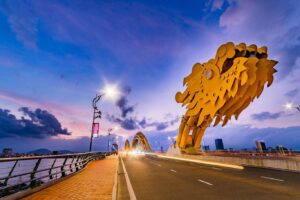
This is a must-see when experiencing Central Vietnam Heritage in Da Nang, offering panoramic city views from the dragon’s head roundabout, relaxing strolls beneath the bridge, and exploration of the surrounding restaurants, cafes, and entertainment areas. Come and witness the fantastic fusion of architectural art and water at the Dragon Bridge, and feel the unique and unforgettable charm of Da Nang.
Hoi An – The Poetic Ancient Town of Central Vietnam Heritage
Hoi An Ancient Town: Strolling along the narrow, tile-paved streets of Hoi An Ancient Town, a UNESCO World Heritage site, you’ll feel transported to a captivating old-world charm, a cornerstone of Central Vietnam Heritage. The scenery here is mesmerizing, with ancient moss-roofed houses, shimmering and magical lanterns, and the gentle, friendly locals. This town preserves long-standing cultural and historical values, with ancient houses built in the 17th and 18th centuries featuring mossy roofs, golden walls, and intricate carvings.
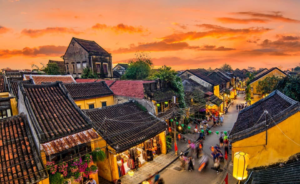
In the evenings, Hoi An is illuminated by thousands of colorful lanterns, creating a truly enchanting and magical atmosphere, a key element of Central Vietnam Heritage. Additionally, Hoi An boasts numerous traditional handicraft shops where you can find unique souvenirs such as embroidered paintings, ceramics, lanterns, and various other handmade products, showcasing the artistic traditions of Central Vietnam Heritage.
Street Food Delights: Hoi An not only attracts visitors with its ancient and romantic beauty, a vital aspect of Central Vietnam Heritage, but also with its incredibly rich and appealing street food scene. Wandering through the small streets, you’ll easily encounter stalls selling a variety of delicious dishes, their fragrant aromas tempting you at every turn. Here are some of the most famous street foods in Hoi An that you absolutely must try to truly experience the culinary side of Central Vietnam Heritage:
Cao Lau: Considered the “soul” of Hoi An’s cuisine, Cao Lau is made from simple ingredients like noodles, pork, shrimp, crispy pork skin, and fresh herbs, yet it possesses a uniquely delicate flavor. The chewy and crispy Cao Lau noodles, combined with the rich and savory broth and fresh herbs, create an unforgettable taste, deeply rooted in Central Vietnam Heritage.

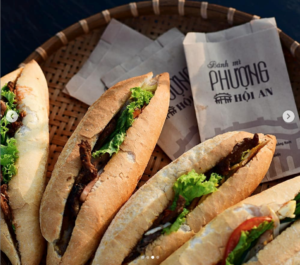
Banh Mi Phuong: Banh Mi Phuong is one of the most famous and delicious baguette shops in Vietnam. The bread here is made from whole wheat flour, crispy on the outside and soft on the inside, filled with grilled meat, pate, Vietnamese sausage, pickled vegetables, and a special sauce, creating an irresistible flavor, a true representation of local Central Vietnam Heritage.
Mi Quang: Mi Quang is a specialty noodle dish from Quang Nam province, but you can easily find it in Hoi An. Hoi An’s Mi Quang features wide, chewy noodles, a rich and savory broth, and toppings like shrimp, meat, quail eggs, roasted peanuts, and various fresh herbs, a flavorful highlight of Central Vietnam Heritage.

Besides these, you can also savor other appealing street foods such as Banh Xeo (crispy pancake), Banh Beo (water fern cake), Banh Nam and Banh Loc (savory rice cakes), Com Ga Ba Buoi (Ba Buoi chicken rice), Che Bap (corn sweet soup), and many more culinary gems that contribute to the rich tapestry of Central Vietnam Heritage.
Cua Dai Beach: Hoi An is not only famous for its long-standing cultural and historical values, integral to Central Vietnam Heritage, but also boasts the poetic Cua Dai Beach, attracting visitors with its pristine beauty, tranquility, and fresh air. This beach is likened to an ideal “paradise for relaxation,” offering wonderful experiences by the blue sea and white sand. With a smooth white sandy shore stretching over 3km, Cua Dai Beach creates a mesmerizing scene, a natural treasure within Central Vietnam Heritage. Embracing the emerald-green seawater, the beach retains its pristine charm, untouched by the hustle and bustle of the city.

This provides a peaceful and relaxing space, allowing you to enjoy serene moments amidst beautiful nature. With its clear and calm waters, this beach is ideal for swimming, playing, and participating in water sports. You can indulge in surfing, kayaking, or even beach volleyball and football. These activities not only bring refreshing joy but also help create memorable moments on this pristine shore, a beautiful facet of Central Vietnam Heritage.
Hue – The Majestic Imperial City of Central Vietnam Heritage
Hue Imperial Citadel (Dai Noi): Located in the heart of the poetic city of Hue, the Imperial Citadel is an invaluable historical and cultural complex, recognized by UNESCO as a World Cultural Heritage site, a cornerstone of Central Vietnam Heritage. This was once the powerful center of the Nguyen Dynasty for 13 reigns, preserving the golden imprints of a glorious historical period. Stepping into the Hue Imperial Citadel, you’ll feel like you’ve entered another world, where time seems to stand still, preserving long-standing historical and cultural values, a vital part of Central Vietnam Heritage.
Every curved roof tile, every mossy wall, every stone-paved path bears the deep imprint of time, evoking indescribable emotions. Built in 1802 under Emperor Gia Long, the Hue Imperial Citadel encompasses numerous palaces, temples, shrines, and other architectural structures, spanning over 50 hectares.
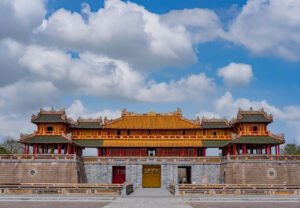
The architecture here harmoniously blends Eastern and Western cultural elements, using precious materials such as ironwood, black copper, and glazed tiles, creating a magnificent and splendid beauty, a testament to the artistic achievements within Central Vietnam Heritage. Notable structures within the complex include Ngo Mon Gate, Thai Hoa Palace, Dien Tho Residence, and Tu Duc Tomb – one of the most beautiful tombs of the Nguyen Dynasty. This is not just a historical relic but also a cultural symbol of Vietnam, preserving traditional cultural values through architecture, art, and court rituals, all contributing to the rich tapestry of Central Vietnam Heritage.
Thien Mu Pagoda: Thien Mu Pagoda (also known as Linh Mu Pagoda), an ancient temple situated on Ha Khe hill on the northern bank of the poetic Perfume River, is one of the iconic symbols of Hue city and a significant site within Central Vietnam Heritage. This ancient pagoda was built in 1601 during the reign of Lord Nguyen Hoang, and despite numerous historical ups and downs, it has retained its serene and sacred beauty. The pagoda is surrounded by shady ancient trees, creating a fresh and peaceful atmosphere within its grounds.
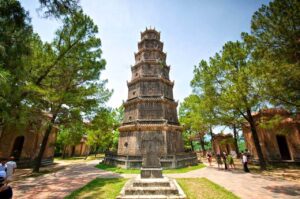
The highlight here is the Phuoc Duyen Pagoda, a 21-meter-high tower standing majestically against the blue sky. Built in 1844, the tower symbolizes the permanence and eternity of Buddhism, a spiritual anchor within Central Vietnam Heritage. Additionally, Thien Mu Pagoda boasts many other unique architectural structures such as Dai Hung Shrine, Dieu Phap Shrine, and Phuoc Duyen Garden. Each structure bears the distinct architectural imprint of the Nguyen Dynasty, showcasing sophistication and solemnity, integral to Central Vietnam Heritage. Thien Mu Pagoda is not only a historical and cultural relic but also a spiritual destination where you can come to pray for good fortune and peace for yourself and your family, a serene aspect of Central Vietnam Heritage.
Hue Royal Refined Music (Nha Nhac Cung Dinh Hue): Hue Royal Refined Music is a unique traditional musical art form, recognized by UNESCO as an intangible cultural heritage in 2003, a precious element of Central Vietnam Heritage. This ancient musical genre has a long history, closely associated with the Nguyen Dynasty for 13 reigns. The distinctiveness of Hue Royal Refined Music lies in its melodious and elegant sounds, produced by traditional musical instruments such as the zither (dan tranh), moon lute (dan nguyet), pear-shaped lute (ty ba), drums, and bells, creating elegant and refined melodies imbued with royal courtly sounds, a vital artistic expression within Central Vietnam Heritage.
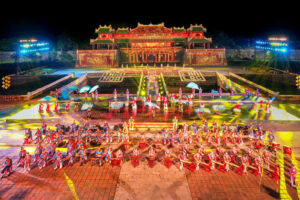
The instruments in Hue Royal Refined Music are harmoniously coordinated, creating a solemn and dignified ensemble that clearly reflects the yin and yang philosophy in Eastern culture, with a balance between high and low, strong and soft sounds. Musicians performing Hue Royal Refined Music often wear magnificent royal costumes to convey solemnity and respect. You can enjoy Hue Royal Refined Music at various locations such as the Hue Imperial Citadel or the Hue Academy of Music, or even participate in Hue Royal Refined Music classes to learn more about this unique musical art form, a living tradition within Central Vietnam Heritage.
Da Nang, Hoi An, and Hue are not just tourist destinations but also places that preserve and transmit the precious cultural and historical values of the nation, forming the core of Central Vietnam Heritage. Plan your journey with VietnamDMCgroup.vn and discover the amazing cultural heritage of Central Vietnam today!