
Vietnam, with its thousands of years of history and rich cultural identity, has long been a cradle of Buddhism and many folk beliefs. Spiritual tourism isn’t just a pilgrimage to pray for peace; it’s also an opportunity for visitors to find inner calm, explore ancient architecture, immerse themselves in a tranquil atmosphere, and learn about profound cultural values and philosophies. From North to South, ancient and sacred pagodas are not only places of worship but also unique architectural masterpieces, harboring countless historical stories and legends.
If you’re looking for a trip to cleanse your soul, find serenity, and explore the cultural depth of Vietnam, then spiritual tourism is the ideal choice. Join us to discover famous pagodas that are unmissable destinations on a spiritual tourism journey in Vietnam.
1. Northern Vietnam: The Cradle of Vietnamese Buddhism
Northern Vietnam is the birthplace of Vietnamese Buddhism, home to pagodas thousands of years old, closely linked to the development of Buddhism and feudal dynasties.
1.1. Huong Pagoda (Hanoi): Legendary Festival Amidst Mountains and Forests
Huong Pagoda is a vast spiritual complex located in Huong Son commune, My Duc district, Hanoi. It’s not just a single pagoda, but a complex of Buddhist cultural architecture with dozens of pagodas, temples, caves, and more, all associated with Buddhist stories. The highlight is Trong Pagoda (Huong Tich Cave), likened to “Nam Thien De Nhat Dong” (the most beautiful cave in the South of Heaven).
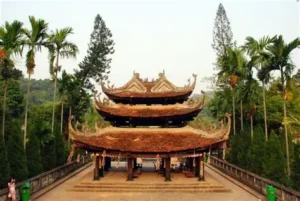
- Highlights: The journey to Huong Pagoda is a unique experience: visitors will enjoy a poetic boat ride on the Yen stream, winding through majestic limestone mountains, then hike or take a cable car up to the cave. The Huong Pagoda Festival takes place from the first to the third lunar month annually, attracting millions of Buddhists and pilgrims from all over. This is one of the largest festivals in the country, deeply imbued with the spiritual tourism culture of the Vietnamese people.
- Best time to visit: During the festival season (January – March Lunar calendar) to immerse yourself in the vibrant spiritual atmosphere. However, if you seek tranquility, it’s better to visit in other months.
1.2. Bai Dinh Pagoda (Ninh Binh): The Pagoda with Many Records
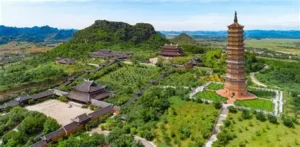
Located within the Trang An Scenic Landscape Complex in Ninh Binh province, Bai Dinh Pagoda is one of the largest pagodas in Southeast Asia, famous for holding numerous Vietnamese and world Guinness records.
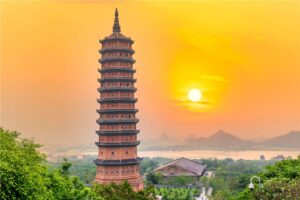
- Highlights: Bai Dinh Pagoda proudly boasts many records, such as the largest bronze statue of Sakyamuni Buddha in Asia, the largest bronze bell in Vietnam, and the longest Arhat corridor. The pagoda’s architecture is massive and grand, yet it retains traditional elements. Here, visitors will be overwhelmed by its vast scale, majestic Buddha statues, and serene atmosphere, making it a key stop for spiritual tourism.
- Best time to visit: From January to March Lunar calendar (festival season and early spring) or other months to avoid crowds and admire the natural landscape.
1.3. Yen Tu (Quang Ninh): The Origin of Truc Lam Zen Buddhism
Yen Tu is a famous complex of relics and scenic spots belonging to the Dong Trieu mountain range in Quang Ninh. This is where King Tran Nhan Tong, after abdicating, came to practice Buddhism and founded the Truc Lam Yen Tu Zen sect – a Zen lineage deeply rooted in Vietnamese identity.
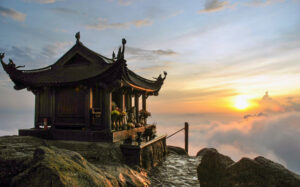
- Highlights: The journey to conquer Yen Tu is an exciting challenge. Visitors can walk thousands of stone steps through ancient forests or take a cable car to the summit, where Dong Pagoda – a small pagoda entirely cast in bronze – precariously sits atop the mountain. The majestic landscape, often shrouded in mist, creates a sacred and ethereal space, drawing many for spiritual tourism.
- Best time to visit: Spring (January – March Lunar calendar) for the festival or autumn to enjoy the fresh, cool air.
1.4. One Pillar Pagoda (Hanoi): A Symbol of the Capital
Located right in the heart of Hanoi, One Pillar Pagoda is one of the capital’s unique architectural symbols. The pagoda was built in the 11th century under King Ly Thai Tong, with architecture resembling a lotus flower rising from the water, symbolizing purity and Buddhist wisdom.
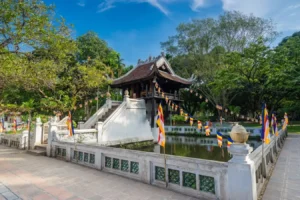
- Highlights: Although not grand in size, the unique architecture of One Pillar Pagoda always attracts the attention of visitors. It’s an ideal place to learn about history, ancient architecture, and pray for peace as part of your spiritual tourism journey.
- Best time to visit: Any time of the year when visiting Hanoi.
2. Central Vietnam: Imperial City Buddhist Imprints and Coastal Islands
Central Vietnam, with its rich history of dynasties and unique geographical location, is also home to many sacred pagodas and distinctive architecture, adding diverse facets to spiritual tourism.
2.1. Thien Mu Pagoda (Hue): The Ancient Pagoda by the Perfume River
Reflecting its image on the poetic Perfume River, Thien Mu Pagoda (also known as Linh Mu Pagoda) is the oldest and most famous pagoda in Hue. The pagoda was built in 1601, associated with the legend of Lady Thien Mu.

- Highlights: Thien Mu Pagoda stands out with its towering seven-story Phuoc Duyen Tower, a symbol of Hue. The pagoda’s ancient landscape, serene gardens, and the echoing sound of the pagoda bell at dusk create an incredibly peaceful and tranquil atmosphere. It’s an unmissable destination to explore the spiritual tourism culture of the ancient capital and enjoy the romantic beauty of the Perfume River.
- Best time to visit: Any time of the year, especially in the afternoon to watch the sunset and hear the pagoda bell.
2.2. Linh Ung Pagoda (Da Nang): Sacred Amidst Picturesque Mountains and Water
Da Nang has three pagodas named Linh Ung, but the most famous is Linh Ung Pagoda Bai But on Son Tra Peninsula. This pagoda is situated on a hillside, facing the sea, and backed by a primeval forest.
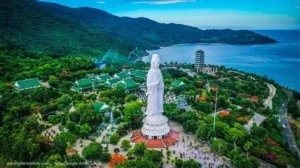
- Highlights: Linh Ung Pagoda Bai But is famous for the tallest Lady Buddha statue in Vietnam (67m), standing majestically overlooking the sea, as if protecting fishermen and the city. From the pagoda, visitors can admire a panoramic view of Da Nang city, My Khe Beach, and Cu Lao Cham Island. The fresh air and the harmonious blend of majestic mountains, forests, and sea create a serene and sacred space, perfect for spiritual tourism.
- Best time to visit: Any time of the year, especially in the early morning or late afternoon to enjoy the scenery.
3. Southern Vietnam: Dynamic and Compassionate Buddhist Centers
Buddhism in Southern Vietnam has developed strongly and dynamically, closely linked to the lives of the people and various charitable and social activities, making it a vibrant region for spiritual tourism.
3.1. Vinh Trang Pagoda (Tien Giang): Unique East-West Architectural Blend
Located in My Tho city, Tien Giang province, Vinh Trang Pagoda is one of the largest and most famous pagodas in the Mekong Delta. The pagoda stands out with its unique architecture, harmoniously blending Eastern styles (Buddhist, Khmer, Cham) with European architecture (French, Roman).

- Highlights: Vinh Trang Pagoda features many large Buddha statues, especially the Maitreya Buddha statue and the reclining Amitabha Buddha statue. The pagoda’s spacious garden, filled with greenery, creates a tranquil atmosphere. The unique architectural combination creates a distinct beauty, attracting visitors for sightseeing and worship on their spiritual tourism itinerary.
- Best time to visit: Any time of the year when traveling in the Mekong Delta.
3.2. Hang Pagoda (An Giang): Sacred Borderland Region
Located at the foot of Sam Mountain, Chau Doc city, An Giang province, Sam Mountain Pagoda (or Ba Chua Xu Temple on Sam Mountain) is one of the largest pilgrimage centers in Southern Vietnam. Although it is a temple, it has a strong spiritual atmosphere and is considered an important Buddhist relic complex.
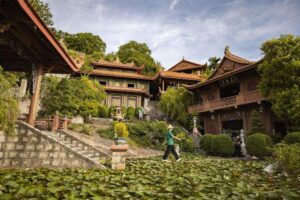
- Highlights: The Sam Mountain complex includes Ba Chua Xu Temple, Thoai Ngoc Hau Tomb, Tay An Co Tu Pagoda, and more, attracting millions of pilgrims annually, especially during the Ba Chua Xu Festival season (April Lunar calendar). This place clearly shows the folk beliefs and deep reverence of the people of Southern Vietnam, making it a focal point for spiritual tourism.
- Best time to visit: During the festival season (April Lunar calendar) to immerse yourself in the vibrant atmosphere or other months for a more peaceful exploration.
Tips for a Spiritual Tourism Journey in Vietnam
- Dress code: Wear polite, modest clothing (long pants/skirts, sleeved shirts, no exposed shoulders or knees) when visiting pagodas and temples.
- Maintain cleanliness: Absolutely do not litter within the pagoda grounds; maintain cleanliness and purity.
- Respect regulations: Adhere to the pagoda’s rules (no photos in restricted areas, maintain silence…).
- Footwear: Prepare comfortable, easy-to-walk shoes as you may need to walk a lot.
- Small change: Have small denominations of money handy for offerings or buying devotional items.
- Health: If you plan to hike (like Yen Tu, Huong Pagoda), ensure you are in good physical condition.
Spiritual tourism in Vietnam is not merely visiting famous pagodas, but a journey of self-discovery, finding the core values of life. It’s an opportunity to listen to the ethereal sound of pagoda bells, admire unique architecture, and learn more about the nation’s history and beliefs. Each pagoda is a story, a symbol, bringing peace and profound, unforgettable experiences.
Whether you are a devout Buddhist or a culture-loving traveler, these spiritual tourism destinations will undoubtedly leave a lasting impression on you, helping you find serenity and positive energy for life. Plan your own spiritual tourism journey in Vietnam today!