
Located at the intersection of Quang Ninh, Bac Giang, and Hai Duong provinces, Yen Tu (1,068 m above sea level) is not only a majestic natural landscape but also the sacred birthplace of the Truc Lam Zen School, founded by King Tran Nhan Tong. For centuries, it has been one of the most significant centers of Buddhism in Vietnam. It’s a place where history, nature, and spirituality converge, offering a profound experience unlike any other.

For pilgrims and tourists alike, a journey to Yen Tu is more than just travel—it’s a spiritual journey into the heart of Vietnamese Buddhism, a chance to connect with both nature and one’s inner self. The pilgrimage path, with its thousands of ancient stone steps, winds through dense forests and past sacred temples, leading all the way to the summit. Along the way, you can feel the energy of the past and the tranquility of the present. Whether you choose to challenge yourself with the uphill trek or take a more leisurely cable car ride, the experience is equally rewarding.
This article will guide you through the rich history, spiritual significance, and unforgettable experiences that await you at Yen Tu.
1. The Historical and Spiritual Significance of Yen Tu
The story of Yen Tu is deeply intertwined with one of Vietnam’s most revered historical figures, King Tran Nhan Tong.
1.1. The Birthplace of the Truc Lam Zen School
After leading the nation to two glorious victories against the Mongol invaders in the 13th century, King Tran Nhan Tong abdicated his throne to his son and retreated to Yen Tu Mountain. Here, he dedicated his life to Buddhist practice and eventually founded the Truc Lam Zen School—a unique Vietnamese Zen lineage that combined the principles of Buddhism with the country’s cultural identity. He became the first patriarch of this school, and his teachings emphasized a life of simplicity, service to the nation, and harmony with nature.
The presence of King Tran Nhan Tong transformed Yen Tu from a remote mountain into a major center of Vietnamese Buddhism. It became a pilgrimage destination for generations of Vietnamese Buddhists seeking enlightenment and a deeper connection to their spiritual roots.
1.2. A Sacred Buddhist Complex
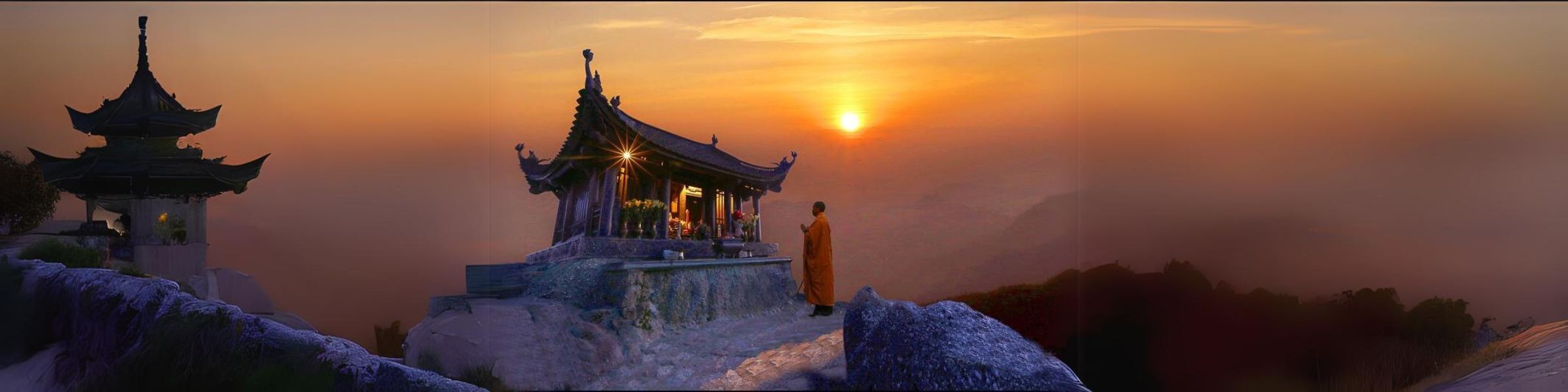
The Yen Tu complex is a vast collection of pagodas, temples, hermitages, and towers, built along the mountain’s slopes. Each site holds its own significance, from the tranquil Giai Oan Pagoda at the base, where a legend tells of royal concubines who took their own lives to show their devotion, to the majestic Hoa Yen Pagoda—the main sanctuary on the pilgrimage route. These structures are not just places of worship but also stunning examples of traditional Vietnamese architecture, blending seamlessly with the natural landscape.
2. The Pilgrimage Route: A Journey for Body and Soul
The journey to the summit of Yen Tu is a pilgrimage that tests one’s will and rewards one’s spirit. The main path, a scenic trek of thousands of stone steps, is an experience in itself.
2.1. The Uphill Trek: A Test of Faith
For those who choose to hike, the journey is a spiritual and physical challenge. The path is often steep and winding, but every step brings you closer to the summit. Along the way, you’ll pass through ancient forests and serene streams, with the air growing cooler and the mist becoming thicker as you ascend. It’s a meditative process that allows you to leave behind the worries of the world and focus on your inner journey.
Key stops on the trekking route include:
- Giai Oan Pagoda: The first major pagoda on the path, where pilgrims stop to pray and begin their spiritual ascent.
- Hoa Yen Pagoda: Located on a high slope, this is the largest pagoda on the mountain. It features stunning ancient trees and a serene atmosphere, offering a perfect place for rest and reflection.
- Dong Pagoda (Bronze Pagoda): This is the ultimate destination at the summit. Entirely cast in bronze, it sits precariously on the highest peak, often shrouded in clouds. Reaching this pagoda is a symbolic achievement, representing the completion of a challenging pilgrimage.
2.2. The Cable Car Ride: Effortless Ascent with Stunning Views
For those who prefer a less strenuous journey, or who are short on time, the modern cable car system offers a convenient and breathtaking alternative. The ride provides stunning panoramic views of the endless mountain ranges, ancient trees, and the winding pilgrimage path below. It allows visitors to reach the higher points of Yen Tu effortlessly, ensuring that everyone, regardless of their physical condition, can experience the beauty and spirituality of the mountain. The journey is divided into two sections, with stops at key pagodas, so you can still explore the main sites.
3. The Yen Tu Festival and Cultural Experiences
The Yen Tu pilgrimage is particularly vibrant during the annual festival, which attracts millions of people from all over Vietnam and abroad.
3.1. The Yen Tu Festival: A Vibrant Spiritual Gathering
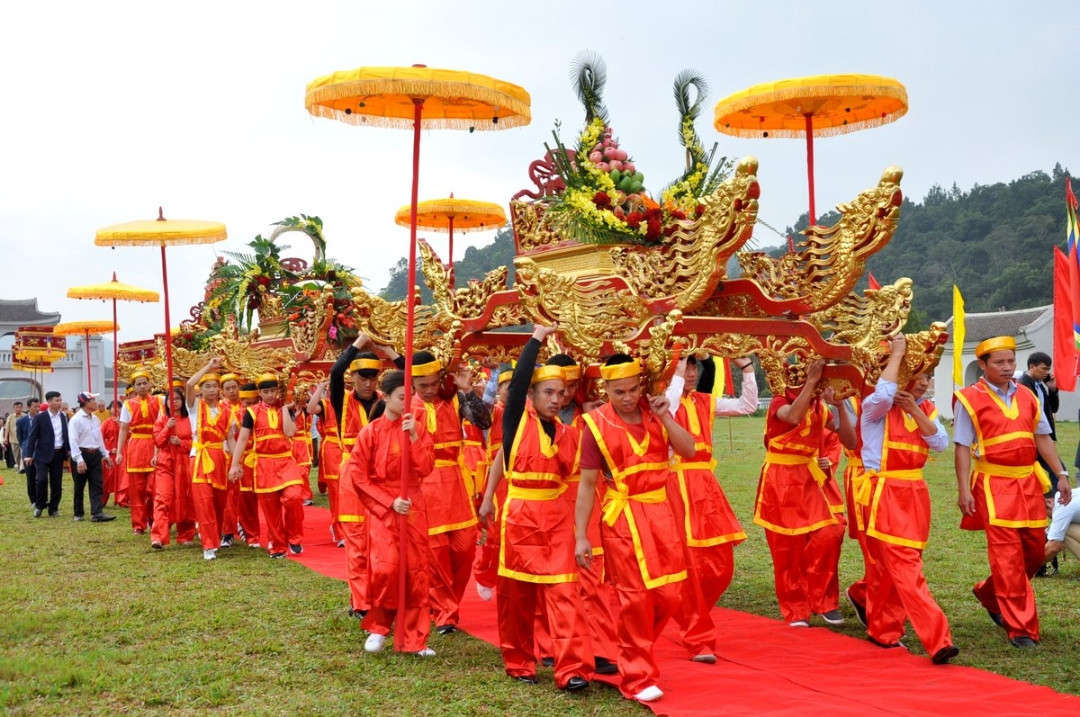
Held from the 10th day of the first lunar month and lasting for three months, the Yen Tu Festival is one of the largest pilgrimages in Northern Vietnam. During this time, the mountain is bustling with pilgrims dressed in traditional robes, lighting incense, chanting prayers, and climbing the sacred path. The air is filled with the scent of incense, the sound of temple bells, and the joyous energy of the crowd. The festival is not only a religious event but also a cultural celebration, with traditional rituals and vibrant folk performances.
3.2. A Journey of Meditation and History
Beyond the festival season, Yen Tu offers a serene and peaceful retreat. The tranquil atmosphere, the blend of nature, ancient trees, pine forests, clear streams, and tranquil Zen architecture makes it an ideal place for meditation and reflection. You can wander through the quiet paths, sit by a flowing stream, or simply enjoy the majestic views. The spiritual energy of the mountain and the historical significance of the site create a profound experience that connects you with centuries of faith and history.

4. Planning Your Visit to Yen Tu
To make the most of your trip to Yen Tu, here are some useful tips:
- Best Time to Visit: The Yen Tu Festival (from the first to the third lunar month) is the busiest time, offering a vibrant cultural experience. If you prefer a quieter, more meditative visit, consider going during the autumn months (September to November) when the weather is cool and pleasant.
- What to Wear: Wear comfortable shoes and clothing, as the path can be steep. If you plan to hike, layers are recommended, as temperatures can change with altitude.
- Transportation: From Hanoi, you can take a bus or private car to the base of the mountain. The journey takes approximately 2-3 hours.
- Accommodation: There are hotels and guesthouses at the base of the mountain, as well as some options for homestays in nearby villages.
- Respect Local Customs: Remember to dress modestly when visiting pagodas and temples. Be respectful of the local customs and rituals, and maintain a quiet, peaceful demeanor in the sacred areas.
Yen Tu is more than a destination; it is an experience that touches the soul. It’s a place where you can find tranquility amidst the beauty of nature, connect with a profound spiritual heritage, and challenge yourself both physically and mentally. Whether you are a devout Buddhist on a pilgrimage or a curious traveler seeking to explore Vietnam’s unique culture, Yen Tu promises a journey of discovery that will leave a lasting impression.