
Are you searching for a destination where history blends with ancient charm, where moss-covered streets tell stories, and where cuisine awakens every sense? Welcome to Hoi An – a UNESCO World Heritage site and one of Vietnam’s most enchanting towns. Gracefully nestled by the Thu Bon River, it isn’t just a travel destination; it’s a journey back in time, where every street corner is a painting, and every ancient house holds a hidden tale.
Contents
Hoi An: More Than Just Heritage – A Vivid Experience
Hoi An is renowned for its remarkably preserved Ancient Town, a living testament to traditional architecture and unique cultural heritage. From the 17th to the 19th centuries, it was a bustling international trading port, a melting pot where Vietnamese, Japanese, Chinese, and Western cultures converged. This very convergence created a vibrant and multifaceted place, simultaneously ancient and contemplative, yet lively and engaging.
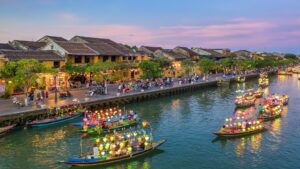
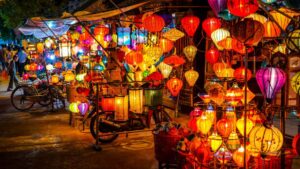
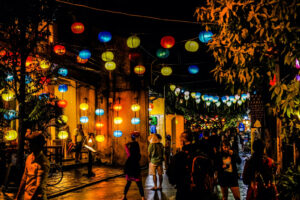
Visitors here are often mesmerized by the beauty of its moss-tiled roofs, time-worn golden walls, and quiet, narrow alleys. Especially in the evening, when thousands of colorful lanterns illuminate the entire town, Hoi An transforms into a magical, shimmering scene, like something out of a fairytale. It’s this very moment that makes this place a “must-visit” destination on any journey through Vietnam.
Must-Visit Spots When Exploring Hoi An
When you set foot here, you’ll have countless options to explore:
- Japanese Covered Bridge (Chua Cau): The iconic symbol of Hoi An, this unique covered bridge was built by Japanese traders in the 17th century. The bridge is not just an impressive architectural feat but also a cultural crossroads, symbolizing the friendship between the communities that once thrived here.

- Ancient Houses (Tan Ky, Phung Hung, or Duc An): These centuries-old houses are prime examples of Hoi An’s traditional architecture, harmoniously blending Vietnamese, Japanese, and Chinese influences. Stepping inside, you’ll feel the atmosphere of a wealthy merchant’s home from days gone by and admire antique furnishings.
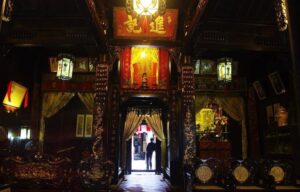
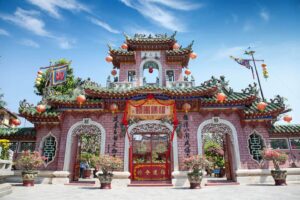
- Fukian Assembly Hall (Hoi Quan Phuc Kien): One of the largest and most beautiful assembly halls in Hoi An, built by the Fujian Chinese community. It served not only as a place of worship but also as a community hub, featuring exquisitely carved architecture and fascinating historical stories.
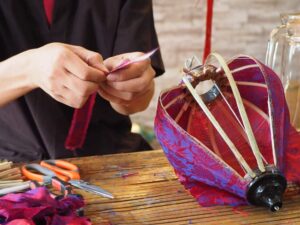
- Hoi An Handicraft Workshops: Visit traditional workshops to witness firsthand the process of making lanterns, tailoring, wood carving, or pottery. This is a wonderful opportunity to purchase unique souvenirs deeply imprinted with the essence of this destination.
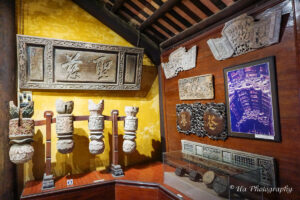
- Hoi An Museum of Folk Culture: This museum preserves and displays hundreds of artifacts and images depicting the cultural life, customs, and traditional crafts of the residents through centuries.
- Hoi An Market: A vibrant local market where you can find everything from fresh produce, seafood, and spices to textiles. It’s also an ideal place to experience the daily life of the locals and savor delicious street food.
Hoi An Cuisine: A Symphony of Flavors
A trip to this destination wouldn’t be complete without indulging in its rich and unique culinary scene. Hoi An’s cuisine is a delicate fusion of traditional Vietnamese flavors and influences from other cultures, creating dishes that enchant every visitor:
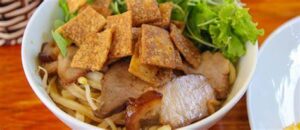
- Cao Lau: The signature dish of Hoi An, featuring unique noodles (said to be made with water from the Ba Le well), char siu pork, fresh herbs, and a rich broth.
- Mi Quang: Another traditional noodle dish from Central Vietnam, with flat noodles, a flavorful broth from simmered bones, shrimp, pork, quail eggs, and fresh herbs.

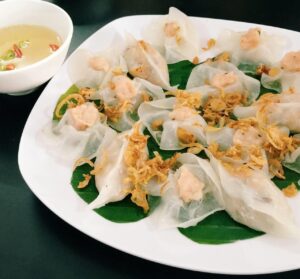
- Banh Bao Banh Vac (White Rose Dumplings): An elegant dish with soft, translucent wrappers filled with shrimp or pork, steamed and arranged to resemble beautiful white roses. Typically served with a sweet and sour dipping sauce.
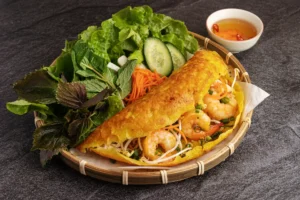
- Banh Xeo: Hoi An’s crispy savory pancake, filled with shrimp, pork, and bean sprouts, served with fresh herbs and a distinctive dipping sauce.
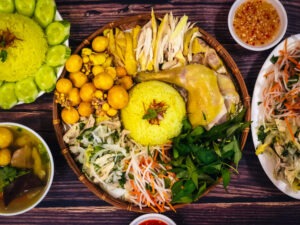
- Hoi An Chicken Rice: Shredded boiled chicken mixed with onions, Vietnamese coriander, and a sweet and sour sauce, served with rice cooked in chicken broth.
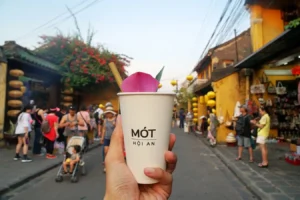
- Mot Water: A unique herbal refreshing drink, known for its cool taste and health benefits.
Unique Experiences and Activities in Hoi An
Hoi An offers not just historical sites and delicious food, but also countless experiences to make your trip even more memorable:
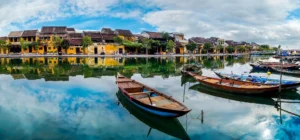
- Boat Trip on the Hoai River: The most romantic experience is in the evening, when you can release floating lanterns and admire the Old Town twinkling with lights.
- Join a Cooking Class: Learn to prepare signature dishes like Cao Lau, Mi Quang, or Banh Xeo.
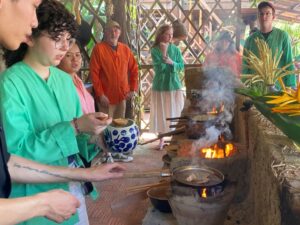
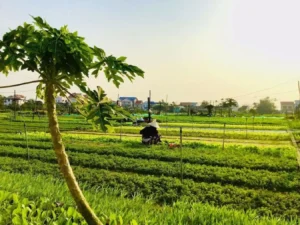
- Cycle Through the Countryside: Rent a bicycle and explore peaceful village roads, lush green rice fields, and the daily life of local residents.
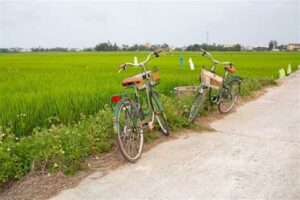
- Try Lantern Making: Participate in a workshop to create your own colorful lanterns, perfect as unique souvenirs.
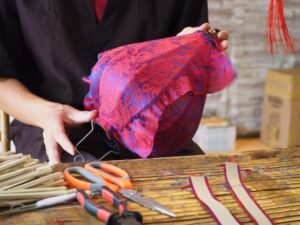
- Get Custom Tailored Clothes: Hoi An is famous as a “tailoring paradise,” where you can have a custom-designed outfit made and ready within 24 hours.
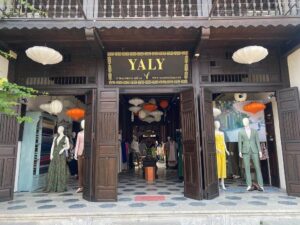
- Explore Bay Mau Coconut Forest by Basket Boat: A fun and unique experience where you’ll paddle through the water coconut forest in a traditional basket boat, watch basket boat dancing performances, and listen to folk songs.

- Visit Tra Que Vegetable Village: Learn about traditional organic vegetable farming, pick fresh vegetables yourself, and enjoy delicious, fresh dishes right there.
Hoi An by Night: A Glow of Lanterns
When the sun sets, Hoi An dons a new, radiant, and mystical gown. Thousands of lanterns of all shapes, sizes, and colors are lit, transforming the ancient streets into a shimmering fairytale world. Strolling along the Hoai Riverbank, you’ll see small boats carrying visitors, their lantern lights reflecting glitteringly on the water. This is the perfect time to capture the most beautiful photos, shop for souvenirs, or simply sit, sip a coffee, and admire the scenery.
Ideal Time to Visit Hoi An
Hoi An enjoys a mild climate year-round. However, the best time to visit is from February to April, when the weather is cool, with less rain and moderate sunshine. From May to July is the dry season, with plenty of sunshine, suitable for swimming at nearby An Bang or Cua Dai beaches. From August to January is the rainy season, sometimes with storms, but also interspersed with beautiful sunny days, bringing a unique, contemplative beauty to the ancient town. Notably, on the full moon day of every lunar month, Hoi An’s Old Town turns off its electric lights, relying solely on lanterns, creating an incredibly magical and memorable atmosphere.
Hoi An is more than just a dot on the travel map; it’s an emotion, an experience that awakens the senses and leaves an indelible mark on every visitor’s heart. From its ancient streets, unique architecture, wonderful cuisine, to profound cultural experiences, Hoi An invites you to explore, to love, and to return.