
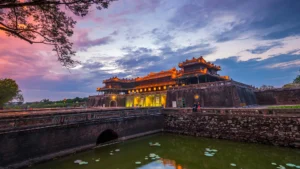
Are you looking for a destination where time seems to stand still, where every street corner tells a story of a golden dynasty, and ancient beauty permeates every alleyway? Welcome to Hue – the serene ancient capital, the cultural and historical heart of Vietnam. Once the last imperial capital of Vietnam’s feudal dynasties, particularly the Nguyen Dynasty, this is not just a city, but a living museum where you can feel the pulse of the past, immerse yourself in a peaceful atmosphere, and discover unique heritage sites.
Contents
Hue: A World Heritage Site with Captivating Nostalgic Charm
Hue is globally renowned for its Complex of Hue Monuments, recognized by UNESCO as a World Cultural Heritage Site since 1993. This is no coincidence. The city meticulously preserves unique palaces, tombs, pagodas, and imperial architecture, reflecting a glorious period of Vietnamese history. Visiting Hue is like stepping into a time machine, transported back to the era of kings and lords, feeling the grandeur of the imperial city and the sophistication of court life.
The mild climate, the poetic Perfume River flowing through the heart of the city, along with ancient bridges and lush green gardens, create a romantic and lyrical setting for Hue. Its contemplative, ancient charm blended with natural beauty creates an irresistible appeal for anyone who sets foot on this imperial land. It is this peace and nostalgia that truly set Hue apart from other vibrant cities in Vietnam.
Must-Visit Spots When Traveling to Hue
When exploring this city, you’ll have many options to delve into the history, architecture, and culture of this region:
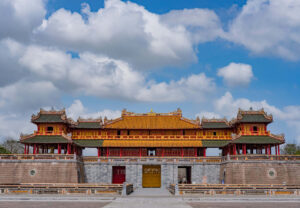
- Hue Imperial City (Dai Noi): This was the center of power and daily life for the Nguyen Dynasty for over 140 years. The Imperial City of Hue comprises the Imperial Citadel (where the emperor and royal family resided) and the Forbidden Purple City (the emperor’s private quarters). You’ll need at least half a day to explore its gates, the Thai Hoa Palace, Can Chanh Palace, The Mieu Temple, Ngo Mon Gate, and many other unique imperial architectural works. Every small corner within the Dai Noi tells a story of the imperial history and culture.
- Tombs of the Nguyen Emperors: The imperial tombs in Hue are not merely resting places for the emperors but also architectural masterpieces that clearly express the personality and life philosophy of each monarch. The most notable include:
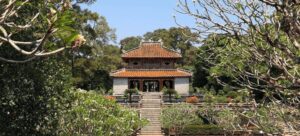
- Minh Mang Tomb: Considered the most beautiful and harmonious tomb, with a perfect blend of architecture and nature.
-
-
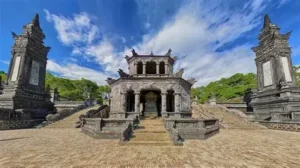
- Khai Dinh Tomb: A unique structure with intricate Sino-French architectural fusion, showcasing extravagance and splendor through every detail of ceramic and glass decoration.
-
-
-
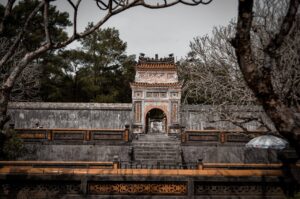
- Tu Duc Tomb: Famous for its romantic, poetic beauty, closely associated with Emperor Tu Duc’s poetic life.
-
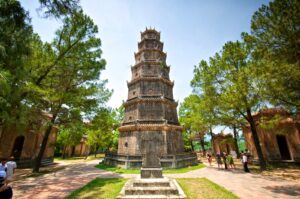
- Thien Mu Pagoda: The oldest pagoda and a spiritual symbol of Hue, located on Ha Khe Hill along the poetic Perfume River. Thien Mu Pagoda, with its towering seven-story Phuoc Duyen Pagoda, is an unmissable destination for worship and scenic views.
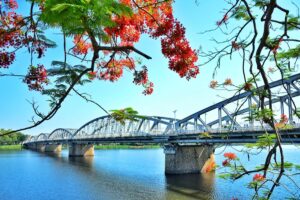
- Perfume River and Truong Tien Bridge: The poetic Perfume River flowing through the city is a symbol of this place. Taking a dragon boat cruise on the Perfume River in the evening, listening to folk songs, and admiring Truong Tien Bridge illuminated by lights is a romantic and quintessential experience. Truong Tien Bridge, with its six arch spans resembling a comb, is also an indispensable symbol of the Ancient Capital.
- Thuy Xuan Incense Village: Where you can witness the colorful traditional incense-making process firsthand and buy fragrant bundles of incense as souvenirs.

Hue Cuisine: The Quintessence of Imperial and Folk Flavors
Hue cuisine is an inseparable part of its culture, renowned for the sophistication and intricacy of its imperial dishes, and the rich, authentic flavors of its street food. When visiting Hue, you must try:
- Bun Bo: The famous noodle soup that has made Hue cuisine renowned. Its rich, spicy broth, thick noodles, along with beef, pork hock, and crab paste, create an unforgettable flavor.

- Com Hen / Bun Hen (Clam Rice / Clam Noodles): A rustic yet incredibly appealing dish with rice or noodles, mixed with stir-fried clams, crispy pork cracklings, crispy pork skin, fresh herbs, and a flavorful clam broth.
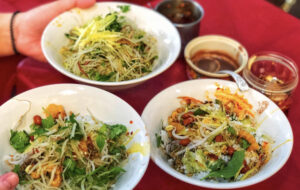
- Banh Khoai: Similar to Southern Vietnamese bánh xèo but smaller in size, with a crispy shell, shrimp, pork, bean sprouts filling, served with a distinctive peanut dipping sauce.

- Banh Beo, Nam, Loc: These delicate, soft traditional cakes, with various fillings, are served with sweet and sour fish sauce. They are very popular and characteristic street snacks of Hue.

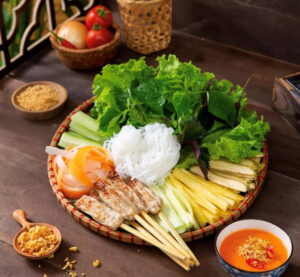
- Nem Lui: Pork grilled on lemongrass skewers over charcoal, served with fresh herbs, rice paper, and a smooth peanut dipping sauce.
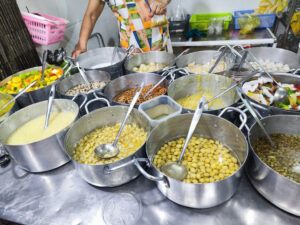
- Che Hem (Alley Sweet Soups): Hue is famous for its diverse and rich sweet soups, from taro sweet soup, corn sweet soup, green bean sweet soup to tapioca dumpling sweet soup with roasted pork filling… Often sold in small alleys, creating a unique charm for Hue‘s street food.
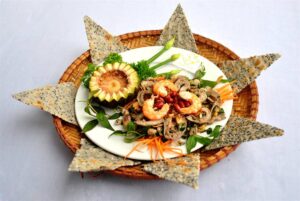
- Va Tron (Fig Salad): A characteristic Hue salad made from boiled young figs, mixed with shrimp, pork, and various spices, often served with rice crackers.
Unique Experiences When Traveling to Hue
Hue not only offers historical sights and delicious cuisine but also countless exciting experiences to enrich your trip:
- Listen to Hue Folk Songs on the Perfume River: An unmissable cultural experience, cruising on a dragon boat, listening to romantic Hue folk melodies in the enchanting atmosphere of the Perfume River at night.
- Rent an Ao Dai for Photos: Wear the traditional Ao Dai, take photos at the Imperial City, tombs, or Truong Tien Bridge to capture beautiful and authentically Hue moments.
- Join an Imperial Cooking Class: Learn to prepare imperial or folk dishes from local chefs, discovering the sophistication of local cuisine.
- Cycle to Explore Rural Villages: Rent a bicycle and explore peaceful village roads, lush green rice fields, and the simple life of people in the outskirts of the city.
- Visit Dong Ba Market: Experience the hustle and bustle of the traditional market, shop for local specialties, and enjoy street food.
- Explore Thanh Toan Tile-Roofed Bridge: A unique ancient tile-roofed bridge located on the outskirts of Hue, exuding a rustic beauty tied to rural life.
- Visit Imperial Gardens: Explore ancient gardens like Tinh Tam Garden, where emperors and royalty once came to admire nature.
Useful Tips When Traveling to Hue
- Ideal Time: Hue has distinct four seasons. The best time to visit is from January to April (spring – early summer), when the weather is cool, pleasant, with little rain and many festivals. Autumn (September – November) is also quite beautiful with fresh air. Summer (May – August) can be hot, and the stormy season (October – December) may affect your itinerary.
- Transportation: You can reach by plane (Phu Bai Airport), train, or bus. Within the city, taxis, motorbikes, bicycles, or cyclos are popular choices for getting around.
- Accommodation: Hue offers a variety of accommodation options, from quaint homestays, budget hotels to luxurious resorts along the river or near the city center, suitable for every budget.
- Attire: It’s advisable to wear modest clothing when visiting tombs and pagodas. Linen or cotton fabrics are good choices for the weather here.
- Respect Culture: This city is a spiritual and ancient land; please show respect for its historical sites, pagodas, and local customs.
Hue is more than just a tourist destination; it’s a journey back to cultural roots, an experience that awakens the senses and leaves a deep impression on every traveler’s heart. From the grandeur of the Imperial City, the romantic beauty of its tombs, the poetic Perfume River to its sophisticated cuisine and the warm hospitality of its people, this city has all the elements to enchant anyone.
If you are looking for a place to experience tranquility, explore heroic history, and immerse yourself in nostalgic beauty, then Hue is the perfect choice. Plan your trip today and feel for yourself the powerful allure of Hue – Vietnam’s legendary Ancient Capital!