
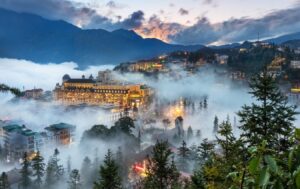
Sapa, a small town nestled amidst the majestic mountains of Northwest Vietnam, has long been a symbol of Vietnamese tourism. Famous for its magnificent natural landscapes, unique “four seasons in one day” climate, and the diverse cultural identity of its ethnic minorities, this place attracts millions of visitors annually, seeking peace, exploring pristine beauty, and experiencing vibrant local life. This article will take you on a comprehensive journey through Sapa, from cloud-kissed mountain peaks to lush green valleys, from bustling, colorful markets to unique traditional customs.
Contents
Sapa: Geographical Location and Distinctive Climate – Four Seasons in One Day
Located at an average altitude of 1,500m to 1,800m above sea level in Lao Cai province, Sapa boasts a prime geographical position within the Hoang Lien Son mountain range. This altitude blesses it with an incredibly special climate: “four seasons in one day.”
- The mornings are chilly like spring, with mist blanketing the hills.
- The noons are warm under golden sunshine, resembling summer.
- The afternoons bring the cool crispness of autumn, with clouds and fog drifting.
- The evenings plunge into the deep cold of winter, sometimes seeing snow in the coldest months.
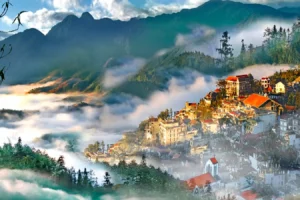
This distinct climate is one of its most captivating charms, creating constantly changing landscapes that are sometimes hidden in mystical mist, sometimes radiant under golden sunlight. The year-round cool climate is also a primary reason why Sapa is an ideal summer escape from the oppressive heat.
Unmissable Attractions When Visiting Sapa
When you set foot here, visitors will have countless options to explore, from natural wonders to architectural works bearing strong historical and cultural imprints.
- Fansipan Peak – The Roof of Indochina:
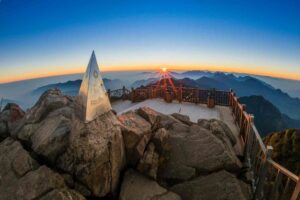
One cannot speak of Sapa without mentioning Fansipan. At an elevation of 3,143 meters, Fansipan is the highest peak in Indochina, the dream conquest for every mountaineer. Today, with a modern cable car system, reaching the “Roof of Indochina” has become easier than ever, opening up panoramic views of Sapa’s majestic mountains and floating sea of clouds. This is certainly an unforgettable experience during your visit here.
- Cat Cat Village – The Rustic Beauty of the H’Mong People:
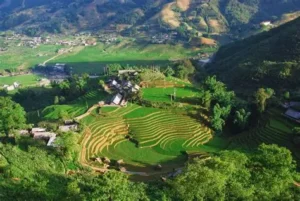
Not far from central Sapa, Cat Cat village is home to the H’Mong ethnic group. This ancient village attracts visitors with its traditional wooden houses, winding terraced rice fields, and the Hoa stream meandering through the village. Visitors can walk to explore the village, admire traditional brocade weaving, watch cultural performances, and shop for unique souvenirs. Cat Cat is an excellent destination to learn about Sapa’s indigenous culture.

- Ta Van Village – Tranquil Beauty in the Valley:
Situated deeper than Cat Cat, Ta Van village is home to various ethnic groups such as the Giay, Red Dao, and H’Mong. Ta Van stands out with its more peaceful and less bustling charm, featuring wooden houses nestled on hillsides, winding dirt roads, and lush green terraced fields. This is an ideal spot for trekking and long walks to discover the simple life of the locals and admire the stunning natural landscapes of Sapa.
- Ham Rong Mountain – Sapa’s “Heavenly Garden”:
This mountain is located right in the center of Sapa town, shaped like a giant winding dragon. Ham Rong Mountain is an elaborately designed complex of flower gardens and ornamental plants, leading up to the “Heaven Gate” and “Cloud Yard,” where visitors can view the entire town of Sapa hidden in the mist and vibrant flower valleys. This is an ideal spot for photography and panoramic views of Sapa.
- Sapa Stone Church – An Ancient French Architectural Landmark:
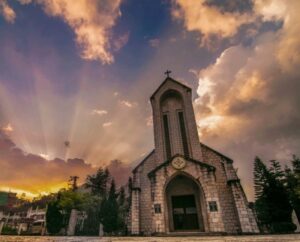
Located right in the heart of the town, Sapa Stone Church (Church of Our Lady of the Rosary) is a unique Gothic architectural work built by the French in 1895. With its ancient architecture and prime location, the church is not only a symbol of Sapa but also a venue for many cultural and spiritual activities of local people and tourists. Especially on Saturday evenings, the church is a gathering point for ethnic boys and girls attending the “love market,” creating a distinctive cultural feature of Sapa.
- Muong Hoa Valley and Ancient Rock Field:
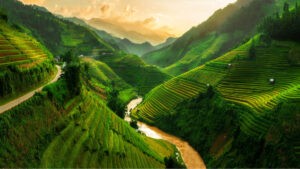
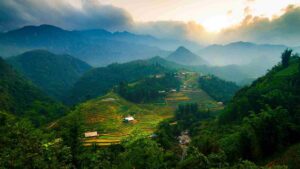
Muong Hoa Valley, with its winding Hoa stream and magnificent terraced rice fields, is one of Sapa’s most beautiful landscapes. Notably, it also features the Sapa Ancient Rock Field with hundreds of large and small strange-shaped engraved rocks, assessed by scientists as a valuable prehistoric heritage. This is an ideal place for those who love to explore history and the majestic natural scenery of the destination.
The Diverse Cultural Identity of Sapa
Beyond its natural scenery, the diverse culture of its ethnic minorities is what makes Sapa uniquely appealing. This is the common home of the H’Mong, Red Dao, Tay, Giay, Xa Pho people, among others. Each ethnic group possesses its own cultural identity, expressed through colorful costumes, languages, customs, festivals, and traditional handicrafts.
- Sapa Love Market:
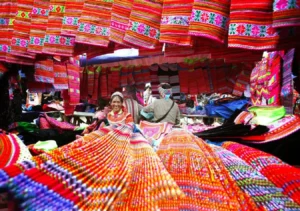
The market fair is a characteristic cultural feature of the highland region. On weekends, people from various ethnic groups eagerly come down to the market to buy, sell, exchange goods, meet friends, and even find life partners. The market fair is vibrant with brocade colors, filled with the sounds of panpipes and flutes, and the aromas of local dishes. Visiting the Sapa market fair allows you to immerse yourself in the lively and unique atmosphere of highland culture.
- Traditional Festivals:
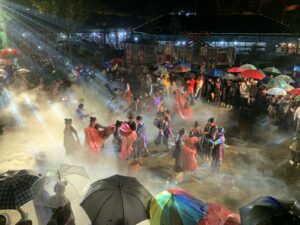
Sapa hosts many traditional festivals throughout the year, reflecting the spiritual and cultural life of its ethnic groups. These include the Going to the Fields Festival of the Tay people, the Fire Dance Festival of the Red Dao, and the Gau Tao Festival of the H’Mong people, among others. Participating in these festivals is a wonderful opportunity for visitors to learn more deeply about the rich cultural identity of this place.
Sapa’s Distinctive Cuisine
A trip here would be incomplete without the opportunity to savor the special dishes rich in mountain flavors.
- Thang Co: The most famous and characteristic dish of the H’Mong people, prepared from horse meat and offal. Though it might be an acquired taste for some, once tried, you’ll experience its unique, warm flavor, perfectly suited to Sapa’s chilly climate.
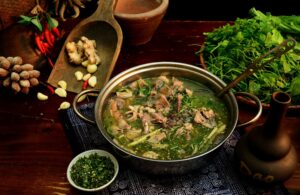
- Salmon and Sturgeon Hotpot: Thanks to its cool climate, this destination is renowned for high-quality farmed salmon and sturgeon. Hotpots with fresh, firm fish meat are an ideal choice for cozy meals with friends and family.
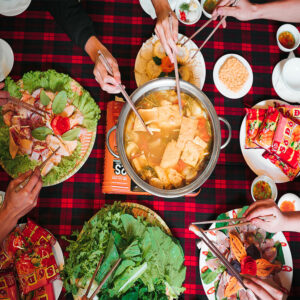
- Sapa Grilled Delights: In the evening, strolling around the night market and indulging in hot grilled skewers like local pork, grilled chicken, grilled eggs, grilled corn, and sweet potatoes is an indispensable street food experience.

- Sapa Corn Wine: This wine, distilled from local corn, has a fragrant and strong flavor, making it an excellent drink to warm the body on cold nights in Sapa.
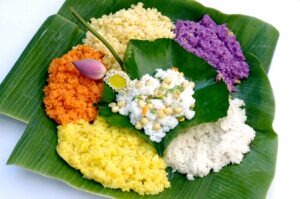
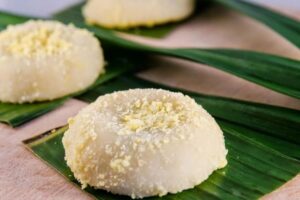
- Five-Color Sticky Rice (Xoi Ngu Sac), Corn Cakes (Pau Plau), Dried Bamboo Shoots, Shiitake Mushrooms: These are all dishes and specialties rich in mountain flavors, perfect as gifts when you leave here.
Exciting Tourist Activities
- Trekking and Hiking: Sapa is a paradise for trekking enthusiasts. From easy trails around the town to multi-day treks through villages, you can discover stunning terraced rice fields, majestic waterfalls, and authentic local life.
- Red Dao Herbal Bath: A wonderful relaxing therapy after long treks, helping to soothe fatigue and restore energy.
- Cloud Hunting: For photography lovers, this is an ideal spot for “cloud hunting” in the early mornings or on misty days.
- Cultural Exchange: Participate in local cooking classes, learn brocade weaving, or simply chat with local people to understand more about their lives.
Why Sapa Remains a Top Destination
Sapa is not just a place to visit; it’s a holistic experience that awakens all senses. From the spectacular natural landscapes of the Hoang Lien Son range, the magnificent terraced rice fields (green or golden), the silver waterfalls, to the year-round cool climate and, notably, the rich and diverse culture of its indigenous ethnic groups. The “four seasons in one day” climate creates surprising and unique moments for visitors. The harmonious blend of raw, rustic beauty and modern tourism development (like the Fansipan cable car) has helped Sapa maintain its position as one of Vietnam’s most attractive destinations.
Tips for Traveling
- Ideal Time to Visit:
March – May: Spring, cherry and plum blossoms are in full bloom, warm weather, suitable for trekking.
September – November: Rice harvest season, golden terraced fields are stunning, dry weather, best for sightseeing.
December – February: Winter, possibility of snow, extremely cold but very unique.
- Preparation: Bring warm clothes, comfortable trekking shoes, sunscreen, hats, and personal medication.
- Transportation: You can take a train or bus from Hanoi to Lao Cai, then transfer by bus/taxi.
- Accommodation: Sapa offers a diverse range of choices from budget-friendly homestays to high-end resorts, suiting every budget.
- Respect Local Culture: When visiting villages, pay attention to your attire, behavior, and attitude to show respect for the customs and traditions of the local people.
Sapa is not just a destination to tick off a list; it is a journey of discovery, an experience that awakens every sense. From majestic mountains touching the clouds, lush green or golden rice valleys, to gentle people and rich cultural identities, it always leaves a deep impression on every visitor’s heart. If you are looking for a place to soothe your soul, find peace, and immerse yourself in nature, then this is the perfect choice. Plan your trip to Sapa today and embark on your own discovery of this “pearl amidst the clouds”!