
Vietnam has become an increasingly popular travel destination in Southeast Asia, known for its captivating landscapes, vibrant culture, and delicious cuisine. To make the most of your trip, here are 50 essential tips that will help you explore like a local, avoid common pitfalls, and uncover hidden gems throughout the country.
Contents
- 1. When is the best time to visit Vietnam?
- 2. Which language is widely spoken in Vietnam?
- 3. Do I need a Visa to Vietnam?
- 4. Local Currency (VND)
- 5. Time Zone
- 6. Banking
- 7. What type of Electric Plugs?
- 8. Vietnam Culinary
- 9. Don’t drink tap water in Vietnam
- 10. How to bargain or technique to get a good price
- 11. Cell Phones
- 12. Wifi
- 13. Communication
- 14. Transportation
- 15. Tip or not?
- 16. Breakfast Included in Hotel Rates
- 17. Friendly Vietnamese People
1. When is the best time to visit Vietnam?
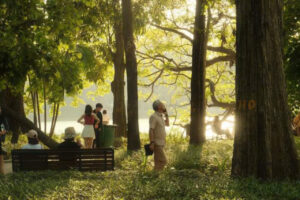
The first thing to consider when planning a trip to Vietnam is the season. Vietnam has a tropical monsoon climate, and the weather can vary greatly between the north and south. The ideal time to visit for mild, dry weather is from November to April. However, keep in mind that this is also the peak tourist season.
- Southern Vietnam: Dry season from December to May, rainy season from June to November
- Northern Vietnam: Four distinct seasons:
- Spring: February – April
- Summer: May – July
- Autumn: August – October
- Winter: November – January
The weather can change quickly, so bring layers, a raincoat, sunglasses, and a hat.
2. Which language is widely spoken in Vietnam?

Vietnamese is the official language, with around 59 million speakers worldwide. In tourist areas, you’ll find locals who speak English, and some of the older generation may speak French. For easier communication, a translation app or guide is recommended.
3. Do I need a Visa to Vietnam?
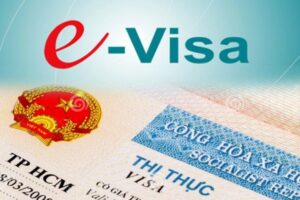
Most travelers need a visa to enter Vietnam, but some countries are exempt. Visa policies frequently change, so check current regulations through the local consulate or a reliable online source.
Under Resolution 128/NQ-CP, effective from August 15, 2023, Vietnam officially grants visa exemption for a period of 45 days from the date of entry, regardless of passport type or entry purpose, for citizens of 13 countries: South Korea, Japan, Russia, Sweden, Finland, Norway, Denmark, the United Kingdom, France, Germany, Spain, Italy, and Belarus.
4. Local Currency (VND)
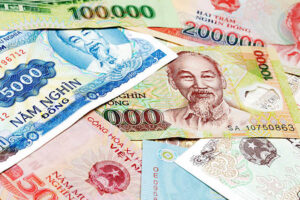
The official currency is the Vietnamese Dong (VND). Bills can be similar in color, so double-check the denominations—especially the 500,000 and 20,000 VND notes.
5. Time Zone
Vietnam is in the UTC +7 time zone, shared with other Indochinese countries.
6. Banking
Most banks are open from Monday to Friday, 8:30 AM to 11 AM and 1 PM to 4 PM. ATMs are common in tourist areas, and many hotels and restaurants accept credit cards, although a 3% surcharge often applies for Visa and MasterCard.
7. What type of Electric Plugs?
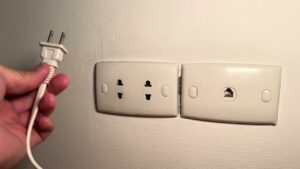
The common plug type in Vietnam is the European two-pin attachment. However, you may also encounter British or North American plug types, so a universal adapter is useful.
8. Vietnam Culinary
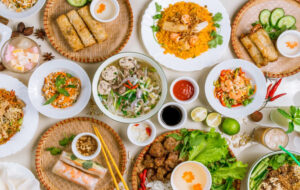
Vietnam is renowned for its flavorful and balanced cuisine, with endless options that are both affordable and delicious. A typical bowl of “pho” costs around $2. Be sure to try seasonal fruit smoothies and regional dishes from across the country.
9. Don’t drink tap water in Vietnam
Avoid drinking tap water. Stick to bottled or boiled water instead.
10. How to bargain or technique to get a good price
While prices are fixed in larger stores, bargaining is common in local markets. Politely state your price and, if declined, try walking away—vendors often call you back with a better offer.
11. Cell Phones
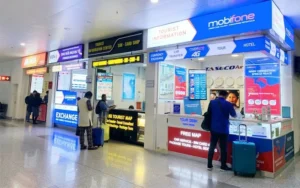
Bring an unlocked phone to use a local SIM card, which you can easily find at the airport or convenience stores. A SIM card with 4G data is affordable and convenient.
12. Wifi
WiFi is available almost everywhere, from big cities to rural areas. Most hotels, cafes, and even private vehicles from travel agencies offer free WiFi but the mountainous area.
13. Communication
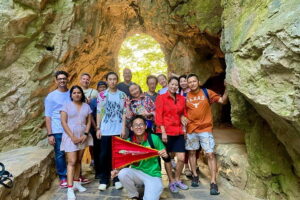
While many locals can speak basic English, especially in touristy areas, it can still be challenging in rural regions. Translation apps help bridge the gap, and a local guide can make interactions easier.
14. Transportation
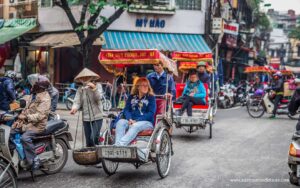
- Cyclo: These traditional three-wheeled bikes are a popular way to explore old quarters in cities like Hanoi and Ho Chi Minh City. Cyclos are often booked through travel agencies, and a typical ride costs around $10 in Hanoi and $12 in Ho Chi Minh City (tips not included).
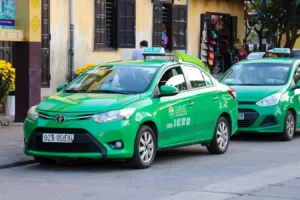
- Taxi: Taxis are generally affordable, but it’s best to use trusted companies like Mai Linh, Hanoi Taxigroup, and Vinasun, and to monitor the meter. In major cities, Grab provides a reliable alternative to taxis.
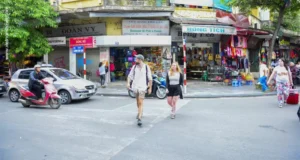
- By Foot: Walking is a great way to experience Vietnam, though crossing streets can be challenging due to the heavy traffic. Maintain a steady pace, and local traffic will naturally flow around you. Alternatively, follow local pedestrians as they cross.
15. Tip or not?
Tip or not? Tip or not? Tip is getting common in the hotel or luxury restaurant, normally local don’t tips when they eat at street or small restaurants. We suggest you leave the changes or tips when you satisfied with the food you order.
16. Breakfast Included in Hotel Rates

When planning a trip with the help of a travel agent, the itinerary should specify if breakfast is included, which it often is. However, if you prefer to book independently and save some money, consider skipping the hotel breakfast. Vietnam is filled with affordable, delicious food options like banh mi (sandwiches), noodle soups, and spring rolls, which can often be found for just $1 or $2. Exploring these local flavors is not only budget-friendly but also much more interesting than the usual hotel breakfast.
17. Friendly Vietnamese People
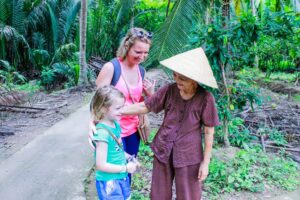
Vietnamese people are known for their friendliness and warm smiles. Whether they understand you or not, they often respond with a smile. Those working in the tourism industry are especially welcoming and attentive. While some travelers may have heard stories of locals seeing foreigners as easy targets for money, this is not the norm. Many Vietnamese will greet you with friendly gestures, offer you a drink, or simply say hello. Don’t let a few negative experiences cloud your view of the people. Embrace the opportunity to make friends, but remember to stay cautious and aware.
Embracing Vietnam like a local brings you closer to its true essence—authentic food, heartfelt connections, and unforgettable memories. Step beyond typical tourist paths and immerse yourself in local customs to see the country through fresh eyes. Your journey will be richer, and you’ll leave with a deeper understanding of Vietnam’s culture.