
Hanoi, the heart of Vietnam, captivates visitors not only with the ancient beauty of its mossy old quarters or the exquisite flavors of its street food. It’s also a vast treasure trove of history and culture, vibrantly preserved and displayed at Hanoi museums. For those who want to delve deep into the heroic past, the stories that shaped the national identity, or simply admire precious artifacts, a journey through Hanoi museums will undoubtedly be an incredibly meaningful and memorable experience.
This article will serve as a detailed guide, taking you through prominent Hanoi museums, each a crucial piece of the puzzle to help you better understand the thousand-year-old capital.
1. Ho Chi Minh Historical Site Complex: The Heart of the Capital
When mentioning Hanoi museums linked to modern history, you cannot overlook the Ho Chi Minh Historical Site Complex. This is not only a place preserving precious artifacts but also a sacred symbol of reverence for the nation’s beloved father.
1.1. Ho Chi Minh Mausoleum: The Eternal Resting Place of the Nation’s Father
The Ho Chi Minh Mausoleum is the eternal resting place of President Ho Chi Minh. It’s a solemn architectural work, built with precious materials sourced from all over the country.

- Special features: The Mausoleum is the most sacred site in Hanoi, where millions of Vietnamese people and international friends come to pay their respects to Uncle Ho. When entering the Mausoleum, visitors must strictly adhere to regulations regarding dress code (polite, modest attire), maintaining order, and refraining from photography. The moment of seeing him is a deeply moving and solemn experience.
- Note: The Mausoleum is periodically closed for maintenance (usually from September to November). It’s advisable to check the opening schedule before visiting.
- Address: 2 Hung Vuong Street, Ba Dinh District, Hanoi.
1.2. Ho Chi Minh Museum: A Great Life and Career
Located right next to the Mausoleum, the Ho Chi Minh Museum is one of the largest and most modern Hanoi museums, comprehensively showcasing the life and career of President Ho Chi Minh – from his years seeking a path to national salvation until he became the beloved leader of the Vietnamese people.

- Highlights: The museum utilizes diverse exhibition formats such as original artifacts, documents, photographs, models, and modern projection technology, helping visitors gain a deeper understanding of Uncle Ho’s ideology, ethics, and simple lifestyle. The exhibition themes are arranged chronologically, recreating important historical periods associated with him.
- Address: 19 Ngoc Ha Street, Ba Dinh District, Hanoi.
2. Vietnam Fine Arts Museum: Discover Art Through the Ages
The Vietnam Fine Arts Museum is one of the largest art centers in Vietnam and an unmissable destination for art lovers visiting Hanoi museums. It houses and displays a vast collection of artworks from prehistoric times to the contemporary era.

- Highlights:
- Diverse collection: From stone sculptures of the Ly – Tran dynasties, ancient ceramics, traditional silk and lacquer paintings, to modern paintings and sculptures. The museum offers visitors a comprehensive view of the development of Vietnamese fine arts through various historical periods.
- Unique architecture: The museum building is a renovated ancient French architectural work, exuding a nostalgic and elegant beauty, creating an ideal space for art appreciation.
- Address: 66 Nguyen Thai Hoc Street, Ba Dinh District, Hanoi.
3. Vietnam National Museum of History: Listening to the Voice of the Past
As one of the most important Hanoi museums, the Vietnam National Museum of History is where tens of thousands of original artifacts and valuable documents on Vietnamese history are preserved and displayed, from prehistoric times to the August Revolution of 1945 and the modern period.

- Highlights:
- Scientific exhibition system: Artifacts are arranged chronologically, by historical period, helping visitors easily visualize and grasp the nation’s important milestones.
- Rich artifacts: From Dong Son bronze drums, prehistoric stone tools, ancient weapons, to Nguyen Dynasty treasures and war remnants. Each artifact tells a unique story about the people and land of Vietnam.
- Ancient French architecture: The museum building was originally the Louis Finot Museum of the French School of the Far East, featuring unique ancient French architecture, exuding a majestic and ancient beauty.
- Address: 1 Trang Tien, Hoan Kiem District, Hanoi (main branch, with another branch at 25 Tong Dan).
4. Vietnamese Women’s Museum: Discovering Vietnamese Strength and Beauty
The Vietnamese Women’s Museum is one of the highly-rated Hanoi museums by international visitors, especially those who want to learn about the roles, contributions, and touching stories of Vietnamese women throughout historical periods and in contemporary life.

- Highlights:
- Unique exhibitions: The museum displays collections of traditional costumes, daily life utensils, working tools of ethnic minority women, as well as artifacts about women’s roles in war, production, and family life.
- Inspiring stories: Many stories about extraordinary women and heroic mothers are recounted authentically and emotionally, inspiring visitors with the strength, resilience, and compassion of Vietnamese women.
- Modern space: The museum features a modern exhibition space, utilizing interactive technologies, making the visitor’s experience more vivid.
- Address: 36 Ly Thuong Kiet Street, Hoan Kiem District, Hanoi.
5. Vietnam Museum of Ethnology: Immerse Yourself in Cultural Diversity
The Vietnam Museum of Ethnology is one of the most fascinating Hanoi museums, specializing in the culture and life of 54 ethnic groups across Vietnam.

- Highlights:
- Rich exhibitions: From costumes, musical instruments, working tools, daily life utensils to traditional house models of various ethnic groups. The museum not only displays indoor artifacts but also has a large outdoor exhibition area with unique folk architectural structures (Tay Nguyen communal house, Tay stilt house, tomb house…).
- Interaction and experience: Visitors can participate in interactive activities, watch traditional folk art performances, or learn about the rituals and customs of each ethnic group.
- Educational value: The museum is an excellent place to educate about cultural diversity, encouraging understanding and respect among different ethnic groups.
- Address: Nguyen Van Huyen Street, Cau Giay District, Hanoi.
6. Temple of Literature – Imperial Academy: A Symbol of Wisdom and Learning Tradition
Although not a traditional Hanoi museum, the Temple of Literature – Imperial Academy is a particularly important historical and cultural complex, considered Vietnam’s first national university. It worships Confucius, Chu Van An, and other revered scholars, while also honoring those who passed the highest imperial examinations.

- Highlights:
- Ancient architecture: The unique architectural complex features five courtyards and structures like the Khue Van Cac (Pavilion of the Constellation of Literature), Thien Quang well, and doctor’s steles (engraved with the names of successful candidates).
- Historical and educational value: The Temple of Literature – Imperial Academy symbolizes Vietnam’s tradition of valuing education and respecting teachers. Visitors come here not only to admire the architecture but also to learn about the feudal education system and pray for good luck in their studies and exams.
- Address: 58 Quoc Tu Giam Street, Dong Da District, Hanoi.
7. Vietnam Military History Museum: The Heroic Spirit of the Nation
The Vietnam Military History Museum is one of the large and significant Hanoi museums, displaying valuable artifacts and documents about the Vietnamese people’s struggle for national defense, from the nation’s founding to the resistance wars against France and the United States.

- Highlights:
- War artifacts: The museum exhibits various types of military weapons and equipment, from rudimentary to modern, especially aircraft, tanks, and artillery that participated in historical battles. The Hanoi Flag Tower, located within the museum grounds, is also a highlight.
- Heroic stories: The exhibition areas vividly recreate major battles, glorious victories, and the heroic sacrifices of the Vietnamese army and people.
- Address: 28A Dien Bien Phu Street, Ba Dinh District, Hanoi.
8. Hoa Lo Prison Relic: The Voice of a Painful History
The Hoa Lo Prison Relic is one of the most unique and haunting Hanoi museums. It was once a large prison built by the French colonialists to detain Vietnamese revolutionary fighters, and later held American pilots during the Vietnam War (whom American pilots called “Hanoi Hilton”).
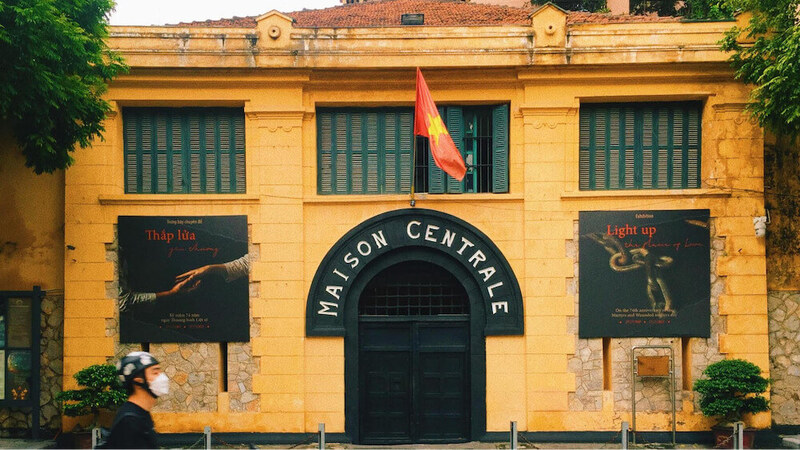
- Highlights:
- Harsh reality: The exhibition areas authentically recreate the harsh lives and brutal torture methods applied by the French colonialists to political prisoners, as well as their indomitable fighting spirit.
- Educational value: Hoa Lo Prison is a living historical testament, serving as a reminder of a painful yet heroic period of the nation, contributing to educating patriotism and an indomitable spirit.
- Address: 1 Hoa Lo Street, Hoan Kiem District, Hanoi.
Useful Tips for Visiting Hanoi Museums
- Check opening hours and ticket prices: Each Hanoi museum may have different opening hours and ticket policies. Some museums are closed on Mondays. It’s advisable to check information on official websites or reputable travel sites before visiting.
- Dress code: Wear polite, modest attire when visiting historical and solemn sites like the Ho Chi Minh Mausoleum, Temple of Literature, or any pagodas and temples within museum complexes.
- Visit duration: Allocate enough time to explore each museum, especially larger ones like the Vietnam National Museum of History or the Museum of Ethnology (which has an outdoor exhibition area). On average, each museum can take 1.5 – 3 hours to explore.
- Hire a tour guide or audio guide: For a more in-depth experience, you can hire a tour guide or an automatic audio guide device at larger museums.
- Maintain silence: Always maintain silence, avoid making noise, and do not touch artifacts (unless signs explicitly permit it).
- Capture memories: Most museums allow photography (except the Ho Chi Minh Mausoleum and some special areas), but without flash. Feel free to capture memorable moments while respecting the shared space.
- Combine itineraries: Many Hanoi museums are located close to each other or near other famous tourist attractions, so you can combine your itinerary to optimize your visiting time.
The journey of exploring Hanoi museums is more than just a simple tour. It’s a deep dive into the flow of history, a journey to discover diverse cultures, and an opportunity to listen to the silent stories from the past. Each Hanoi museum is an open book, waiting for you to turn its pages and contemplate.
Whether you are a history buff, an art lover, or simply curious to understand more about this land and its people, Hanoi museums will provide you with invaluable experiences and profound insights. Take the time to visit these locations, and you’ll find that Hanoi is not just a tourist destination but a living historical narrative, continuously unfolding.